This wave of protest fits into a broader trend sweeping the Arab world over the past decade: younger generations no longer accept vague promises or national unity slogans. They want concrete, swift, and structural answers.
Tags : Morocco Genz212 Generation Z
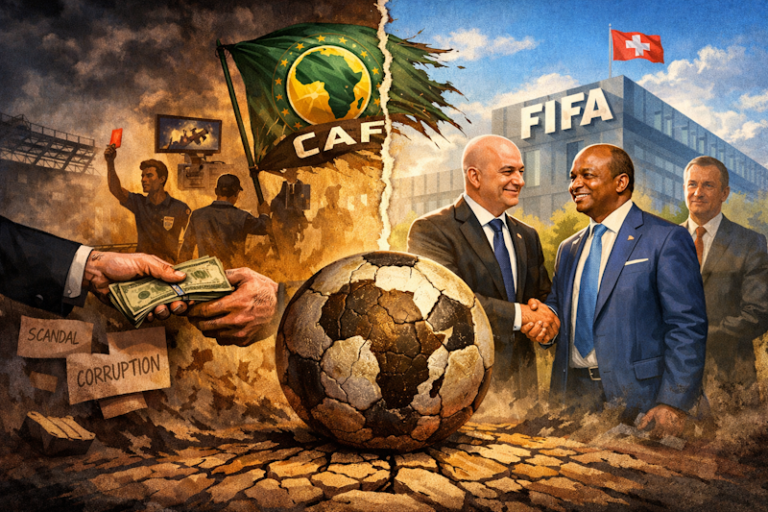
Since September 27, winds of protest have been blowing across Morocco. Young people – students, job seekers, urban citizens – have taken to the streets to denounce what they consider a generational injustice. Their slogan: “The stadiums are here, but where are the hospitals?” In a country where the state allocates billions to the 2030 World Cup while hospitals and schools collapse, this spontaneous uprising raises questions about the future stability of the kingdom.
Gen Z 212: A Digital Revolt Moves to the Streets
The movement, calling itself Gen Z 212 (in reference to Morocco’s international dialing code), was born on Discord and social media before spilling into the streets. It insists on being apolitical, but its demands are clear: health, education, dignity, and social justice.
The spark was the death of several women at Agadir hospital following cesarean operations, a tragedy that crystallized anger against a crumbling healthcare system. Very quickly, protests spread to Casablanca, Rabat, Salé, and other cities. In Leqliâa, repression left several dead, with hundreds of arrests recorded.
“The stadiums are here, but where are the hospitals?”
This slogan, now the banner of the marches, symbolizes the gap between government priorities and public expectations. While the state spends nearly €1.5 billion to host the 2030 World Cup, the health system suffers from dire shortages, causing human tragedies.
Young people denounce a prestige-driven policy oriented outward, at the expense of citizens. The image of gleaming new stadiums contrasts sharply with that of dilapidated hospitals and neglected schools, fueling a profound sense of generational injustice.
A Structural Crisis
The indignation goes beyond healthcare. It concerns the broader outlook for young Moroccans. The underfunded and often ill-adapted education system produces graduates without opportunities. Universities appear disconnected from the real needs of the economy, while youth unemployment reaches 35% in some urban areas.
Urban, hyperconnected Moroccan youth find themselves trapped in unfulfilled expectations. The country boasts sustained growth and proclaims itself an emerging power, yet the fruits of development remain concentrated in the hands of a minority. According to an S&P report, this contradiction feeds an explosive risk: that an entire generation may shift toward radical distrust of institutions.
The Specter of Instability
The Gen Z movement poses two major challenges. Domestically, it risks drawing in the wider society. If demands continue to be ignored, the generational divide could morph into a lasting social and political fracture, undermining regime stability.
Externally, it tarnishes Morocco’s international image, which relies on its attractiveness to lure foreign capital and strategic partnerships. Recurring social unrest could deter investors and weaken the official narrative of a stable, modern kingdom.
This wave of protest fits into a broader trend sweeping the Arab world over the past decade: younger generations no longer accept vague promises or national unity slogans. They want concrete, swift, and structural answers.
The Risk of Political Exploitation
But Roland Lombardi, historian and editor-in-chief of The Diplomat, warns against attempts to politically hijack this movement:
“The demands of Moroccan youth are legitimate and justified, but I hope they will show the same wisdom as Algerian youth during the 2019 Hirak by rejecting any political exploitation by Islamists and the Muslim Brotherhood. In Morocco, these groups, once dominant in parliament, have been marginalized since 2020 after the Abraham Accords. They lost all their seats, and the king’s power sidelined them further. Frustrated, bitter, gnawing at their anger and awaiting revenge, we must fear they will try by any means to exploit unrest or chaos, as they always do in the Arab world and as we saw during the Arab Spring. I saw them at work in Tunisia, Egypt, and Syria in 2011–2012. I know what I’m talking about and witnessed their frightening efficiency. Even though in the Moroccan kingdom it is difficult to directly challenge the authority of a king descended from the Prophet, they must never be underestimated. Always well-organized, supported, and financed by Qatar, they are true specialists in this…”
Morocco at a Crossroads
Morocco’s Gen Z does not present a fully developed political project, but it imposes a simple equation: health, education, dignity. By denouncing the gap between lavish spending and daily misery, it forces the authorities into a decisive choice: deep reforms or increased repression.
Morocco’s bet on the 2030 World Cup will not be enough to pacify a generation that refuses to be sacrificed. The current uprising could mark a historic turning point: either it paves the way for a new social contract, or it deepens the fractures in a kingdom where promises of modernity risk collapsing under the weight of a furious youth.
Source : Lediplomate.media