#Western_Sahara #Morocco #self_determination #Frente_Polisario #SADR
In a detailed analysis, William Shoki, editor, argues that a recent decision by Mali to recognize Morocco’s autonomy plan for Western Sahara is not an isolated incident but part of a broader trend that is effectively burying the territory’s status as a decolonization question.
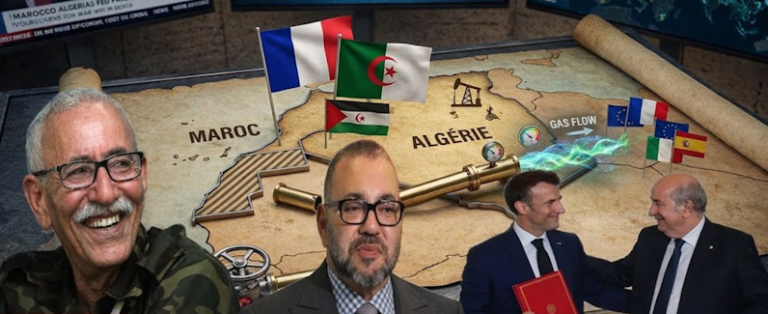
Last week, Mali ended recognition of the Sahrawi Arab Democratic Republic (SADR), backing Morocco’s autonomy proposal. The move is seen as a geopolitical signal to Algeria (a Polisario Front backer) amid a bilateral dispute, but follows similar endorsements by Kenya and Ghana, as well as a November 2025 UN Security Council resolution framing Morocco’s plan as the most feasible basis for negotiations.
Western Sahara has been a UN-listed non-self-governing territory since 1963, with a reaffirmed right to Sahrawi self-determination. A 1991 referendum never materialized due to disputes over voter rolls and Morocco’s rejection of independence as an option. The analysis labels Morocco’s autonomy proposal as a form of « Bantustanization »—local sovereignty while Rabat retains control over defense, foreign affairs, and religion.
The piece argues the hollowing out of self-determination in Western Sahara is structurally consistent with a wider crisis. It cites Gaza (Palestinian rights invoked amid systematic depopulation), Lebanon (sovereignty repeatedly violated by Israel), and the U.S. (populations voting against wars yet leading military operations) as examples where formal sovereignty and actual political authority have decoupled.
The analysis, citing Mehdi Hasan and Rawan Abhari, dismantles the demand that critics affirm a state’s « right to exist. » It argues that international law recognizes rights for people, not states. The focus on state survival, the author contends, obscures the material conditions of actual lives—where Israeli Jews’ right to live on the land is protected, while Palestinians’ equal rights are not.
The piece notes that Sahrawi people are systematically excluded from deliberations determining their future, facing surveillance, harassment, imprisonment, and torture. The 170,000+ refugees in Tindouf camps (Algeria) have no defined role in the autonomy framework.
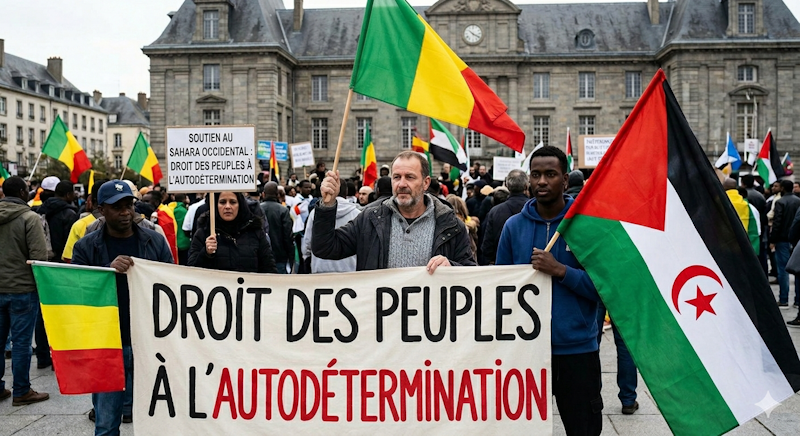
The author concludes that while the nation-state is an analytically inadequate and politically insufficient container for social reality, it remains the primary terrain where rights are secured or denied. The demand for Sahrawi self-determination, therefore, should be reframed not as a demand for a flag or UN seat, but for a genuine, democratic say over material conditions, security, and cultural life—a claim the current diplomatic momentum is actively working against. The core question is whether concepts of sovereignty and self-determination can be reconstructed from their foundations (people’s agency) rather than their institutional forms (state continuity).
With Africa is a country