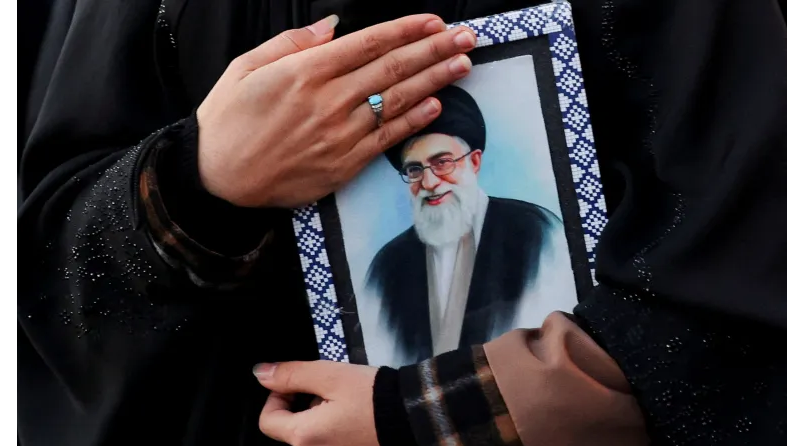
According to The New York Times, the death of Iran’s Supreme Leader, Ayatollah Ali Khamenei, following a joint military operation by Israel and the United States marks a dramatic escalation in tensions in the Middle East. The operation targeted senior Iranian leadership and military infrastructure, signaling a major shift in regional geopolitics and raising questions about the future of Iran’s political system.
According to reports, intelligence agencies had tracked Khamenei’s movements for months. When it was confirmed that he would be meeting other top officials at a compound in Tehran, Israeli and U.S. forces launched a coordinated strike earlier than planned. The bombing killed Khamenei and several senior Iranian leaders and triggered a broader military campaign targeting strategic sites, military bases and air-defense systems across Iran.
The attack also resulted in civilian casualties, including more than 60 deaths in a strike near a school in southern Iran. U.S. officials stated that the incident was under investigation.
Iran quickly retaliated, launching waves of ballistic missiles and drones toward Israel and several Gulf countries hosting U.S. military bases, including Qatar, Kuwait, Bahrain and the United Arab Emirates. The exchanges of fire have intensified regional instability and raised fears of a wider conflict.
The death of Khamenei could lead to significant political turmoil in Iran. The country’s leadership structure is now uncertain. Until a new supreme leader is chosen by the Assembly of Experts, a temporary council composed of the president, the judiciary chief and a senior cleric will govern. Analysts believe the Revolutionary Guard could gain greater influence in the power transition.
Public reaction inside Iran has been mixed. While state-organized mourning ceremonies filled city squares, some citizens celebrated in the streets, reflecting deep divisions within Iranian society. At the same time, many people have attempted to leave the country amid fears of further escalation.
The operation has also sparked debate in the United States about presidential war powers. President Donald Trump ordered the strikes without formal congressional authorization, reviving discussions under the War Powers Resolution about the limits of executive military action.
The U.S. administration justified the operation by citing Iran’s support for militant groups, the repression of protesters and stalled negotiations over its nuclear program. However, some intelligence experts argue that evidence of an immediate nuclear threat remains unclear.
The killing of Iran’s long-time leader may reshape the country’s political future and the balance of power in the Middle East. Yet it also risks triggering further instability and conflict across the region.
#Iran #Khamineï #SupremeGuide #Israël #US #IranUSIsraelWar #MiddleEastWar