Since February 28, the Gulf’s capitals have been the target of massive retaliation by Iran, in response to the Israeli-American offensive against the Islamic Republic. Shock has given way to anger among the Gulf monarchies, which denounce a violation of their sovereignty.
Unanimous Reaction from GCC Countries
During a videoconference meeting, the foreign ministers of the Gulf Cooperation Council countries stated they would take « all necessary measures » to defend their security and territories, including the possibility of responding to the aggression.
A Feared Scenario Becomes Reality
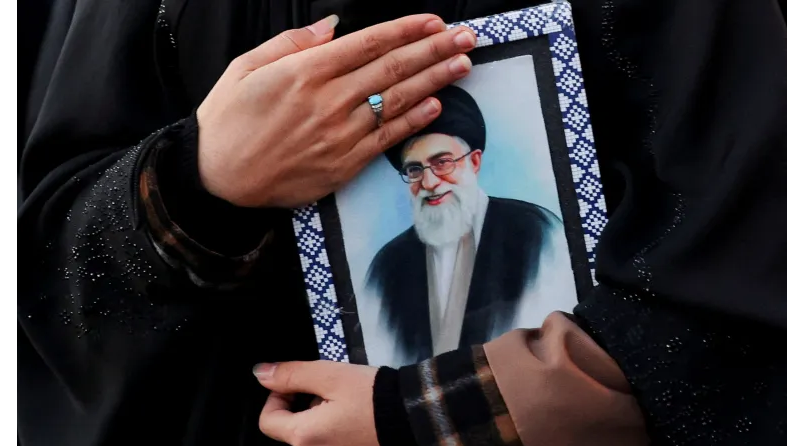
The Gulf monarchies find themselves drawn into the conflict between Iran, Israel, and the United States. Tehran, weakened by the death of Supreme Leader Ali Khamenei, has chosen to regionalize the war. The Gulf countries face a dilemma: continue dialogue with Iran or align more closely with Washington and Israel, at the risk of increasing their exposure.
Widespread Attacks
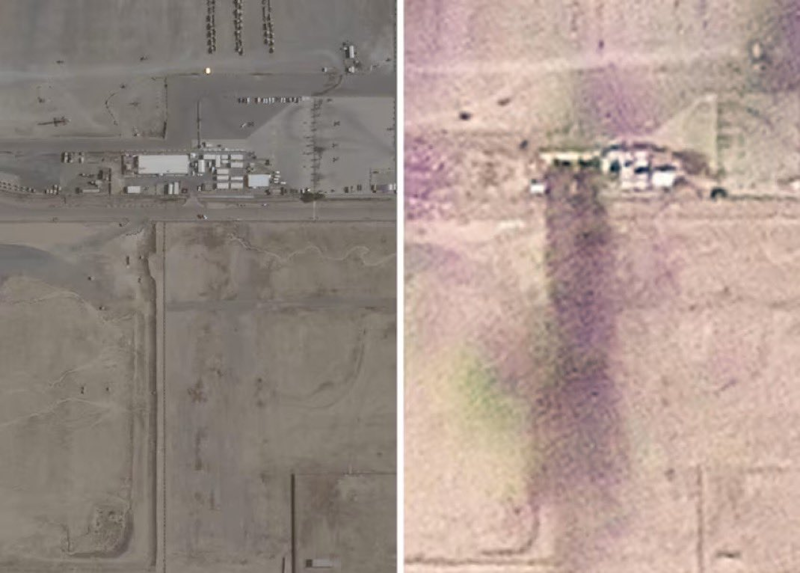
From the very first American-Israeli strikes, Iran targeted American bases and civilian infrastructure in several Gulf countries:
- United Arab Emirates: 167 missiles and 541 drones, three civilians killed.
- Kuwait: 97 missiles and 283 drones.
- Qatar: 65 missiles and 12 drones.
- Bahrain: 61 missiles and 34 drones.
- Oman (a mediator): the port of Duqm and an oil tanker were targeted.
Strategic and symbolic sites were hit: luxury hotels in Dubai, the airports of Dubai and Kuwait City, residential buildings in Manama, and the Ras Tanura refinery in Saudi Arabia.
Countries Most Exposed
The United Arab Emirates and Bahrain, signatories of the 2020 Abraham Accords with Israel, are particularly targeted. In response, the UAE closed its embassy in Tehran and recalled its ambassador. Emirati presidential advisor Anwar Gargash called on Tehran to see « reason, » denouncing a « miscalculation » that isolates Iran.
Direct Participation Unlikely
According to experts, the Gulf monarchies are unlikely to carry out direct attacks against Iran, concerned with preserving their image as a haven of peace. However, they could open their airspace to the Americans and authorize the use of their bases, an option not ruled out by Emirati Minister Reem Al-Hashimy. Iran has warned: any base used against it will be targeted.
Calls for De-escalation
Calls for dialogue are multiplying. Germany, France, and the United Kingdom say they are ready to defend their interests. Iran has expressed openness to serious de-escalation efforts, according to the Omani foreign minister. Donald Trump himself mentioned the possibility of direct discussions.
A Moment of Truth for the Monarchies
The Iranian retaliatory strikes reveal the failure of diplomatic appeasement attempts and the limits of American protection. Relations with Tehran are lastingly affected. Furthermore, the Gulf countries fear an uncontrolled collapse of Iran (fragmentation, chaos, refugees, energy instability), while simultaneously viewing Israel as a growing destabilizing factor.
Conclusion
The Gulf monarchies are caught between the fear of escalation with Iran and the risks of over-aligning with the United States and Israel, in an increasingly unstable regional context.
#Iran #UnitedStates #Israel #SaudiArabia #KuwaitBahrain