#DonaldTrump #Us_Israel_war_on_Iran_Pentagone #F35E_shot_down
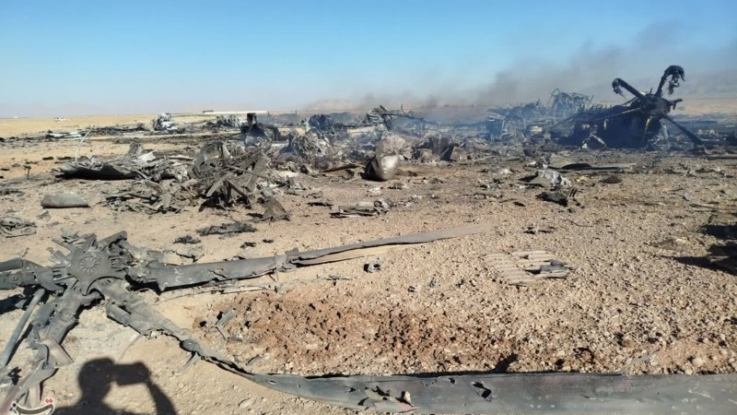
Just 24 hours after Donald Trump said Iran had been “crushed,” events on the ground told a different story. A US F-15E fighter was shot down over Iran’s Khuzestan region, in what may mark a turning point in the war and raise fresh doubts about American war strength.
Reports say the Pentagon had set aside classified war games warning that a fight with Iran could end badly, with losses of up to 20,000 US troops. These studies pointed to weak spots such as exposed US bases in the Gulf, Iran’s large missile stores, and the high risks of land or sea assaults.
Such warnings are not new. In the war game Millennium Challenge 2002, US forces faced heavy losses when an Iran-like foe used simple, uneven tactics to strike quickly and hard.
The loss of the F-15E brings those fears into sharp focus. Built to fly and fight in harsh settings, the jet stands as a sign of US air might. Its fall shows how well Iran’s layered defenses—mixing missiles, drones, and air shields—can work against even top-grade aircraft.
At the same time, unrest is said to be growing within US war leadership. Some top officers have been pushed out after raising doubts about a ground war, sparking worry over politics shaping war plans.
On Iran’s side, the response has been calm but shrewd. Leaders have used the shoot-down as a sign that US power can be checked, scoring a win in the battle for hearts and minds.
Washington now faces a hard choice: press on with the fight or seek a way out through talks. One thing is clear—the thought of an easy US win is fading, as the risks of a long and costly war come into view.