A controversial decision by African football’s governing body to strip Senegal of the Africa Cup of Nations title and award it to Morocco has sent shockwaves beyond the sport, threatening to fray the deep ties between two closely knit nations.
When the Confederation of African Football (CAF) overturned Senegal’s victory two months after a chaotic final, football fans were left stunned. According to a report by Al Jazeera on March 19, 2026, the move has sparked a diplomatic and legal firestorm, with Senegal vowing to fight the decision and citizens on both sides expressing a growing sense of bitterness.
A Legal Battle Begins
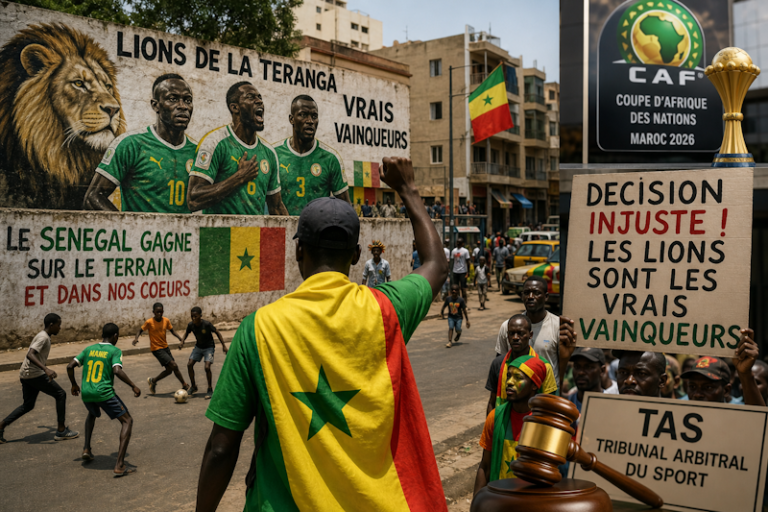
The controversy stems from CAF’s appeals board ruling on Tuesday, which declared that Senegal forfeited the final by leaving the field of play without the referee’s authorisation, awarding Morocco a default 3-0 win. The original match had been delayed for 14 minutes after Senegalese players and staff returned to the dressing room, while fans protested a controversial penalty call. Despite the chaos, Senegal had ultimately won the match 1-0 in extra time.
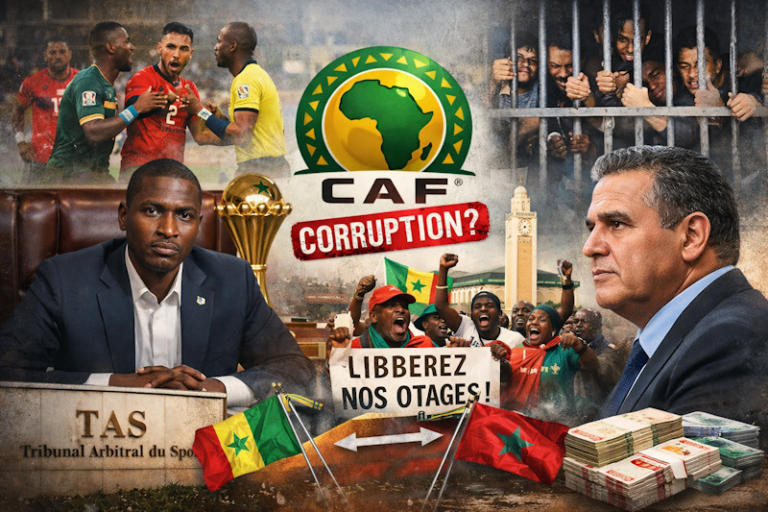
The decision has been met with disbelief in Senegal, where fans and authorities have called it “unjust.” In response, Senegal’s government announced it would pursue “all appropriate legal avenues” to overturn the ruling and called for an international investigation into “suspected corruption” within CAF. The Senegal Football Federation followed up by instructing lawyers, signaling an intent to take the matter to the Court of Arbitration for Sport (CAS)—a move that could lead to a yearlong legal battle, according to Al Jazeera.
Shared Heritage Under Strain
Historically, Morocco and Senegal have enjoyed a robust relationship built on shared religion, trade, and culture. The Tijaniyyah Sufi Muslim order is widely followed in both countries, and Moroccan banks and companies are significant investors in Senegal’s finance and agriculture sectors.
However, the recent tensions have put that bond to the test. The situation has been exacerbated by the imprisonment of 18 Senegalese fans in Morocco, who were given prison terms of up to a year on charges of hooliganism following the final. Seydina Issa Laye Diop, president of the Senegalese fan group “12th Gainde,” told the Associated Press that while the incidents should not destroy the friendship, “there are limits: if this continues, it could somewhat affect the pride of the Senegalese people.”
For some Senegalese, the damage is already done. Mariama Ndeye, a student in the capital Dakar, told Al Jazeera: “When everything goes well, they call us their brothers. But when things don’t go their way, they start being nasty.”
Rising Animosity on the Streets
The diplomatic rift is mirrored by a shift in public sentiment. In Casablanca, some Moroccans expressed a change in how they view their Senegalese neighbors.
Ismail Fnani, a home appliances business owner, said his views toward sub-Saharan Africans had changed following the final. “We used to feel sympathy and help them because they were migrants who had struggled to get here,” he said. “Where there was once sympathy and compassion, now I will treat them as they have treated us.”
Conversely, other Moroccans expressed discomfort with the CAF ruling itself. Mohamed el-Arabi, a grocery shop worker, told Al Jazeera he did not celebrate the decision. “We would have preferred it to stay with Senegal because it doesn’t feel right otherwise,” he said, adding that he had observed a growing hostility toward Senegalese migrants in his community.
Calls for Restraint and Accusations of Favouritism
Amid the escalating tensions, Morocco’s embassy in Dakar called for calm, urging Moroccans in Senegal to “demonstrate restraint, vigilance, and a sense of responsibility,” reminding them that “it is only a match.”
However, the dispute has also thrust CAF into the spotlight. The Senegalese government’s allegations of corruption stem from a perceived favouritism toward Morocco, which is set to co-host the 2030 World Cup and has invested heavily in football infrastructure. In response, CAF President Patrice Motsepe defended the body, insisting in a video statement that “not a single country in Africa will be treated in a manner that is more preferential, or more advantageous, or more favourable than any other country on the African continent.”
As Senegal prepares for a potential year-long legal battle at CAS, the incident serves as a stark reminder of how deeply politics and sport are intertwined. What began as a dispute over a forfeited match now risks undoing generations of religious and cultural kinship between two nations that were once seen as brothers.
Source : Aljazeera
#AFCON2025 #Morocco #Senegal #Footballafricancupforfait