#US_Israel_war_on_Iran #LNG #Middle_East #Strait_of_Hormuz
A ceasefire in the Middle East may have dialled down the immediate threat of all-out war, but the damage inflicted on the global liquefied natural gas (LNG) industry is lasting, according to a top industry executive. The recent conflict, which saw the Strait of Hormuz effectively closed to most shipping, has shaken buyer confidence in Gulf suppliers and raised serious doubts over the reliability and affordability of LNG—particularly among poorer Asian nations.
“This was not a supply crisis. This was a supply chain crisis,” said Menelaos Ydreos, Secretary General of the International Gas Union (IGU), which represents more than 90% of the world’s gas market across over 140 member organizations.
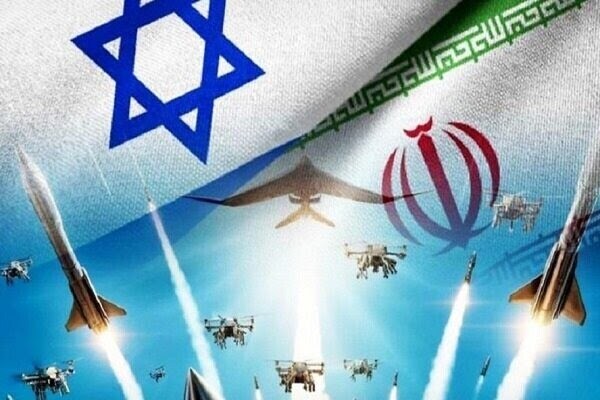
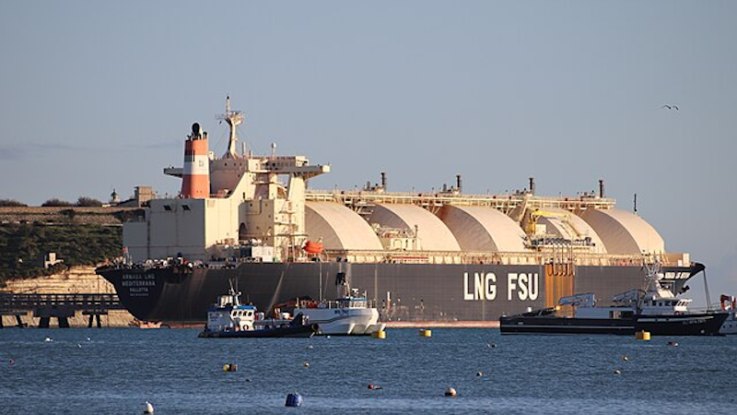
The crisis began on February 28, when the United States and Israel launched strikes on Iran, prompting the closure of the Strait of Hormuz. The narrow waterway normally carries about a fifth of global LNG supplies. As a result, LNG prices soared by more than 80% as of last week, triggering panic across energy markets from London to Shanghai.
Ydreos emphasized that global gas supplies remain ample. The problem, he said, lies in LNG’s dependence on complex infrastructure, specialized ships, and predictable transit routes. When geopolitical events create chokepoints, cargoes are rerouted to buyers who can pay the highest price, leaving less affluent importers exposed.
Asia’s fragile trust shaken
That dynamic is particularly critical for Asia, where LNG has long been marketed as a stable “bridge fuel” to transition away from coal. But the recent price shock—combined with the spike following Russia’s invasion of Ukraine—has left a lasting mark.
“The less affluent countries in Asia have been hit with a price crisis twice now in four years,” Ydreos said.
In March, a Vietnamese company announced it was reconsidering plans to build the country’s largest LNG-fired power plant, opting instead for a renewable energy project. The Iran war, the firm said, had heightened the risk that LNG would become too expensive to ensure long-term energy affordability.
Gulf’s reputation under scrutiny
Beyond LNG, the conflict has dented the standing of Gulf energy producers across oil, gas, petrochemicals, and fertilizers. “The reputation of a reliable area for energy in the world, whether it’s oil or gas or petrochemicals or fertilizers, all of a sudden gives some concern,” Ydreos warned.
Damage to LNG infrastructure has reinforced those fears. Restarting plants takes time, and repairs to heavily damaged facilities could take years. Even in a best-case partial recovery, shipping capacity constraints and high freight costs will remain significant hurdles.
The reputational blow is especially sensitive for Qatar, the world’s second-largest LNG exporter and a cornerstone of Asian energy security for three decades.
“Over 30 years, Qatar had an incredible record of on-time delivery of cargoes… second to none, but now there are questions,” Ydreos said.
Long-term scars
While the ceasefire has calmed immediate fears of further escalation, industry analysts warn that the LNG sector will not quickly forget the vulnerability exposed by the Hormuz closure. For many Asian buyers, particularly in developing economies, the crisis has accelerated a re-evaluation of long-term energy strategies—potentially shifting investment toward renewables and away from gas.
As Ydreos put it: “Where you have choke points and you have geopolitical events that occur, it impacts security of supply.” And that impact, he suggested, will be felt for years to come.
Avec Reuters