In a wide-ranging interview with Mohsen Abdelmoumen, Belgian economist Xavier Dupret offers a critical analysis of contemporary economic, social, and geopolitical transformations. Between technological revolution, the fragility of the European model, and the reshaping of the global order, he paints a concerned yet nuanced picture of the current era.
A Technological Revolution with Uncertain Social Effects
According to Dupret, the rise of artificial intelligence and robotics must be approached with caution, though it already signals major upheavals. Jobs in the service sector, particularly middle-class positions, are likely to be the most exposed. This massive automation could lead to a deep economic imbalance: fewer jobs also mean less consumption, thereby weakening growth.
Unlike past technological revolutions, new sectors are not expected to create enough jobs to offset these losses. For Dupret, this dynamic could lead to a lasting form of “technological” unemployment, with no clear short-term solution.
A Fragile but Not Doomed Capitalism
The economist adopts a heterodox reading of recent crises. He believes that the aftereffects of the 2008 financial crisis and the Covid-19 pandemic still weigh heavily on Western economies. States, heavily indebted, remain dependent on monetary policies that have mainly benefited the wealthiest.
However, Dupret tempers alarmist discourse on public debt. The real problem, he argues, is not excessive spending but insufficient tax revenues, particularly due to the low taxation of large fortunes. He advocates a rebalancing in favor of labor and a revival of social policies.
Europe at a Crossroads
Faced with these challenges, the European social model is, in his view, under pressure but still viable. Dupret defends the welfare state, arguing that it can mitigate the destructive effects of automation, especially through the expansion of public services.
He criticizes the neoliberal orientation of the European Union and calls for political renewal: recognition of the colonial past, balanced partnerships with the Global South, and a more independent stance toward major powers. For him, Europe’s future lies in adapting to a multipolar world rather than retreating into nationalism.
Toward a Multipolar and Conflictual World
On the international stage, Dupret rejects the idea of simple historical repetition but highlights a worrying lack of global cooperation. Drawing on the work of Charles Kindleberger, he points to a deficit in global leadership that fuels instability.
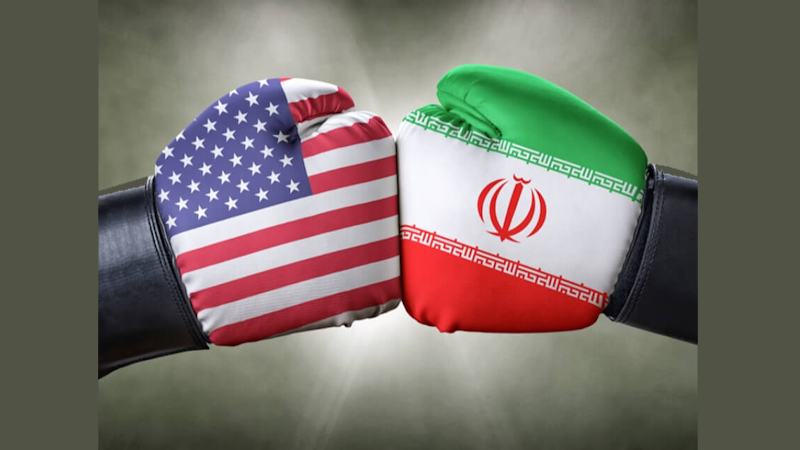
He describes a clash between two visions: that of the United States, based on financial liberalization, and that of China, centered on economic sovereignty. This divide fuels current conflicts and hinders the provision of global public goods.
Political Radicalization and Geopolitical Tensions
Dupret expresses strong concern about the rise of authoritarian ideologies in the West, which he sees as a reaction by elites to their declining power. He interprets recent military interventions as breaks with international law, reflecting a radicalization of U.S. policy under the influence of figures such as Donald Trump and Benjamin Netanyahu.
In this context, he believes that regions like the Middle East could become key turning points in the end of Western hegemony.
A Declared Third-Worldist Commitment
Finally, Dupret embraces a “Third-Worldist” perspective, favoring non-alignment and respect for sovereignty. He notably praises the role of countries like Algeria in national liberation struggles and strongly supports the Sahrawi people’s right to self-determination, which he sees as emblematic of the persistence of neocolonialism.
Conclusion
Through this interview, Xavier Dupret offers a stark diagnosis of ongoing transformations: an economy weakened by technology, states that are strained yet reformable, and a world transitioning toward a new balance of power. Between structural pessimism and political hope, he emphasizes a central point: nothing is inevitable, and collective choices remain decisive.
#US_Israel_war_against_Iran #Xavier_Dupret #gas_petrol_prices