#JeffreyEpstein #Morocco #MohammedVI #King’sWedding #ChildExploitation #Pedophilia
When Suspicion of Child Exploitation Surrounds the Moroccan Palace… Forbidden. Questions the Regime Does Not Want to Hear
By Qandyl Mohamed – Blogger, human rights activist, and independent Moroccan political critic
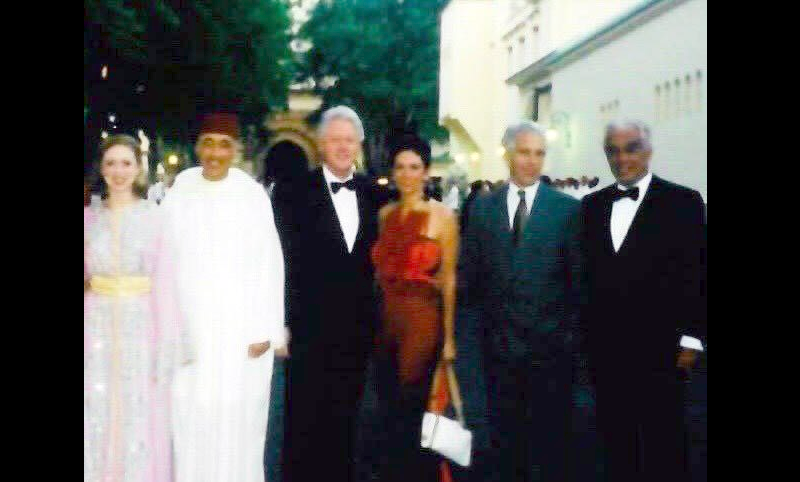
The issue of Jeffrey Epstein’s presence at King Mohammed VI’s wedding in 2002 is not a trivial protocol detail, as defenders of the palace attempt to portray it. Rather, it is a revealing entry point into a deeper structure of opacity, silence, and immunity, placing the relationship between royal authority and the issue of minors at the heart of an ethical and political accountability that cannot be avoided. Epstein was not merely a wealthy businessman; even before his scandal exploded globally, he was known within elite circles for his suspicious relationships and for a network of influence surrounded by allegations of sexual exploitation of underage girls. And yet, this man found his way into a closed royal space, protected by the highest levels of “security screening” that are supposed to leave no room for error.
The first question that forcefully imposes itself is this: how does a person of this nature enter a royal ceremony without any accountability being raised—neither at the time nor afterward? Were the Moroccan security services incapable of carrying out even the minimum level of background checks? Or does the logic of immunity and international relations override every ethical consideration, even when it comes to the protection of children? The official silence that followed the circulation of photos and reports is not neutrality; it is a clear political position—ignoring the questions instead of answering them.
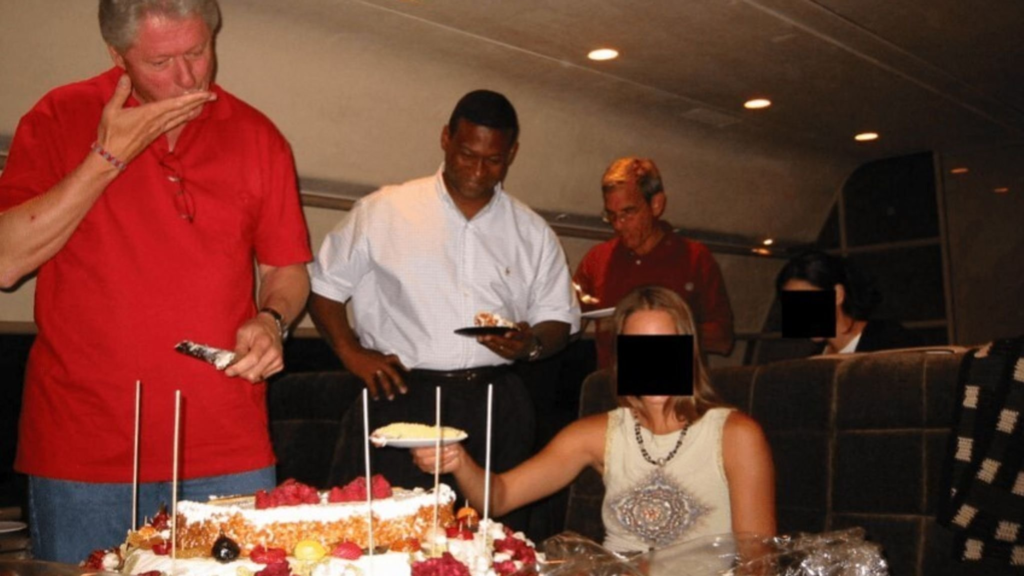
More alarming is that this incident did not emerge from a vacuum. For years, intersecting reports—unofficial yet recurrent—have circulated about obscure behaviours within palace circles and about the bringing of minors into closed spaces that are subject to no independent oversight. These reports do not come from a single isolated source; they recur in different forms, from former journalists, from individuals close to the circles of power, and from opponents who paid a price for approaching this “forbidden zone.” These testimonies may not rise to the level of judicial evidence, but their repetition and persistence raise a legitimate question: why do the same accusations continue to surface around the same space, without a single transparent investigation being opened to put an end to them?
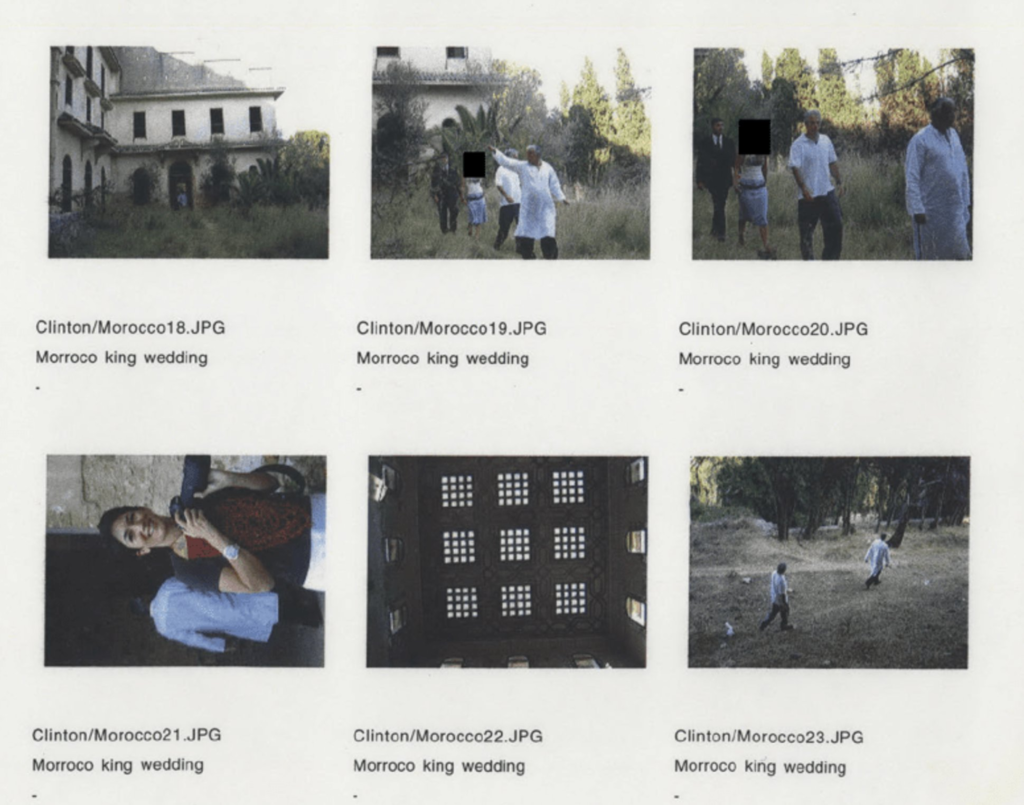
Here, the debate shifts from “Did the crime occur?” to “Why is investigation itself prohibited?” In countries that respect the minimum standards of public ethics, mere suspicion of exposing minors to danger is sufficient to open independent inquiries—not to protect the ruler’s image, but to protect children. In Morocco, however, the palace remains a fortified zone, beyond the reach of the press, the judiciary, and parliamentary oversight, as if childhood itself must remain silent out of “respect” for the “sanctity” of the royal institution.
Linking the Epstein file to the palace is not a direct accusation; it is a condemnation of an entire system that allows power to intersect with tainted figures without accountability. When a head of state sits with a person later associated with one of the most heinous child exploitation cases of modern times, and then maintains total silence after the truth comes to light, responsibility here is not criminal so much as it is ethical and political. Society—and potential victims—have the right to ask: was childhood safe within these spaces? And who guarantees that safety today?
The most dangerous aspect of this case is not what is said behind closed doors, but what is forbidden from being said in public. A palace that refuses to offer even a simple clarification regarding Epstein’s invitation is the same palace that criminalizes anyone who approaches the issue of minors or questions the protection of children within the circles of power. In this way, childhood is transformed from a universal human value into a taboo subject, shielded by a wall of silence and fear
In the end, this is not about a rumor or an old photograph, but about a fundamental question: can a regime that claims to care for children and their rights continue to ignore serious suspicions that strike at the core of those rights? Or does the protection of minors stop at the palace gates, where ethics fall away and the logic of immunity begins? These questions will remain unanswered—not because no one is asking them, but because the authorities refuse to respond.