


Tags : Central American Parliament, Morocco, Western Sahara, corruption, Carlos René Hernandez, El Salvador, Partido Nuevas Ideas,
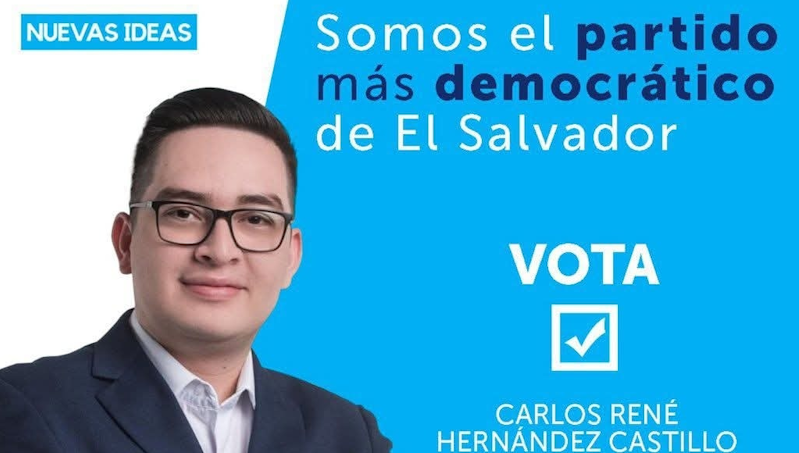
The Central American Parliament found that former president Carlos Hernández, of El Salvador’s Nuevas Ideas party, handed out cash and luxury gifts among members of a mission to Morocco, in exchange for support for Morocco in Western Sahara.
In April 2025, months before El Salvador announced its withdrawal from the Central American Parliament (Parlacen), an official mission to Morocco led by then–Parlacen president Carlos René Hernández, a member of El Salvador’s ruling party Nuevas Ideas, became embroiled in a bribery and ethics scandal. The controversy later fueled internal divisions within Parlacen and reinforced El Salvador’s public criticism of the regional body as a refuge for corruption.
The events occurred during Holy Week, when a delegation of 16 Parlacen representatives—comprising deputies, administrative staff, and advisors—travelled first class to Morocco. Although institutional travel allowances had already been approved for all delegates, Hernández, as head of the mission, distributed additional cash “support” ranging from $2,000 to $7,000 per person. According to testimonies collected by Parlacen’s Special Ethics Commission, these payments were accompanied by luxury gifts, including Louis Vuitton handbags and scarves, high-end lotions valued at hundreds of dollars, VIP treatment, and private jet flights outside the official itinerary.
Multiple deputies reported that these benefits were offered in exchange for political support for Morocco’s position in the Western Sahara conflict, particularly opposition to Algeria’s stance and to its potential observer status within Parlacen. El Faro reviewed the Ethics Commission’s inquiry summary, interview excerpts with 20 parliamentarians, videos of deputies socializing in VIP venues, and the Commission’s final report detailing violations of internal rules.
The Ethics Commission concluded that Hernández violated Article 3 of Parlacen’s code of ethics, which prohibits accepting or distributing gifts and seeking illicit benefits, as well as Article 14, which addresses actions undermining the integrity of the Central American Integration System. The Commission recommended a verbal warning and a six-month suspension from office and pay. In practice, sanctions were lighter: 14 representatives received verbal warnings, while Hernández was fined $500 and barred from receiving institutional allowances for six months. The report noted that none of the distributed funds were recorded in official Parlacen accounts.
Hernández declined to cooperate with the investigation, ignoring repeated requests from the Ethics Commission and later refusing comment to El Faro. One deputy interviewed by the Commission alleged that Morocco also offered Hernández $200,000 to block Algeria’s admission as an observer to Parlacen. Additional accusations against Hernández included excessive per diem claims on other trips, totaling $49,000 by September 2025, on top of his $10,000 monthly salary.
Testimonies from deputies underscored the political nature of the alleged bribery. Honduran deputy Jorge Jiménez described the situation as “scandalous,” recounting how colleagues told him they had received cash in exchange for not supporting Algeria. Jiménez said Hernández sought a collective statement backing Morocco’s autonomy proposal for Western Sahara and that those who refused, including himself, were sidelined. Panamanian deputy Carlos Rodolfo Outten confirmed receiving a sealed envelope with about $7,000, delivered by Hernández and described as a “gift from Moroccan authorities.” Outten refused the money and later declined to participate in pro-Morocco statements, concluding that the payments were tied to political objectives.
Evidence of such support later appeared in Moroccan press releases and in a June 2025 Parlacen resolution endorsing Morocco’s autonomy plan for Western Sahara. The resolution was approved in San Salvador and reported by Diario La Huella, a pro-government outlet founded by Parlacen deputy Cecilia Rivera of Nuevas Ideas, who also participated in the Morocco trip and was questioned by the Ethics Commission. Rivera and Hernández both declined to comment publicly on the allegations.
The scandal deepened tensions within Parlacen, particularly after El Salvador’s Legislative Assembly—dominated by Nuevas Ideas—approved reforms to withdraw from the body, accusing it of shielding corrupt politicians through parliamentary immunity. Critics within Parlacen argue that despite the withdrawal announcement, Salvadoran representatives linked to Nuevas Ideas continue to participate discreetly.
The Morocco mission scandal thus became emblematic of broader allegations of corruption, political influence-peddling, and lack of accountability within Parlacen—issues that El Salvador’s government has cited to justify its exit from the regional parliament.
Source : El Faro, 10/12/2025
#CentralAmericanParliament #Parlacen #Morocco #WesternSahara #Corruption